
Yoga Mats
How to Clean and Care for Your Yoga Mat
A yoga mat is a surface you press your face into. Keeping it clean is not vanity — it is grip, hygiene and lifespan in one habit. Here is how to clean every mat material properly, and what ruins them.
Direct answer
Clean a yoga mat in two steps: wipe it down after every session, then deep-clean it once a week with a method that matches its material. Natural rubber needs gentle, mostly dry care; PVC tolerates mild soap; cork and polyurethane tops should only ever meet water. Always dry the mat fully before rolling it up.
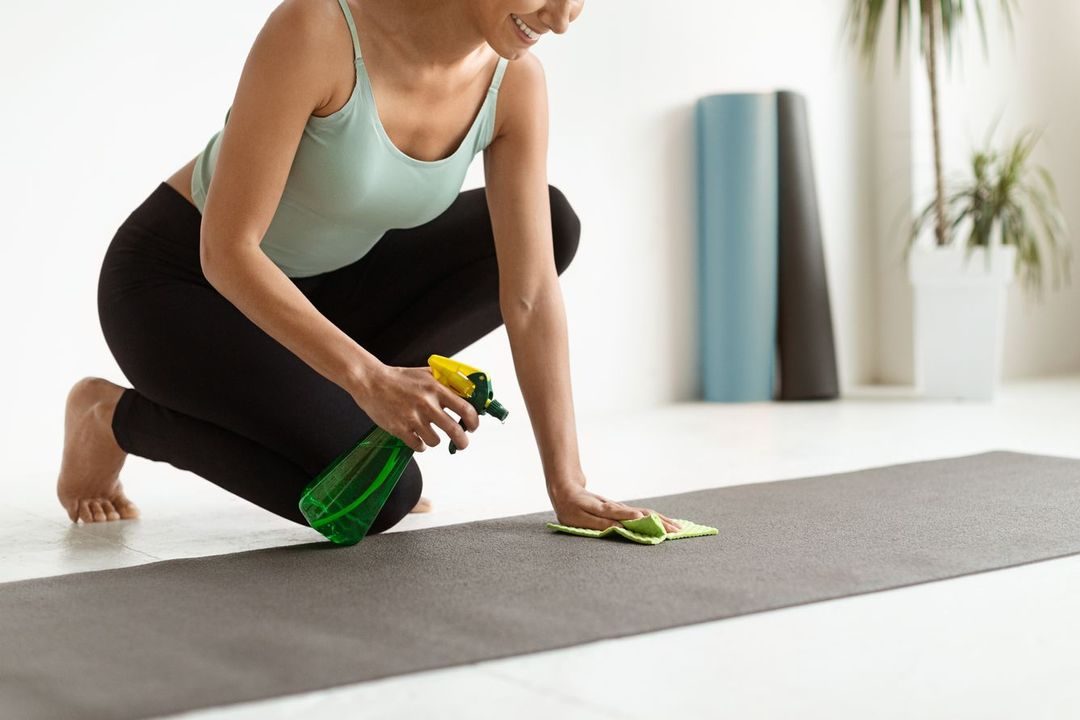
Most yoga mats die from cleaning mistakes, not from use. The wrong cleaner strips a polyurethane top, dissolves a rubber surface or leaves a slick film that kills grip. The right routine takes two minutes after practice and ten minutes once a week — and it is different for every material.
This guide covers the four materials that matter: natural rubber, PVC, cork and polyurethane-topped mats. Find your mat's material on its label or product page first; everything below follows from it.
Quick comparison
| Material | Daily clean | Deep clean | Never use |
|---|---|---|---|
| Natural rubber | Damp cloth, air dry | Mild soap + water, rinse | Oils, vinegar, harsh solvents |
| PVC | Damp cloth or mat spray | Soap + water, gentle scrub | Abrasive pads, acetone |
| Cork | Damp cloth, air dry | Mild soap, light wipe | Soaking, vinegar, oils |
| Polyurethane top | Damp cloth only | Water + soft cloth | Soaps, oils, alcohol, vinegar |
1. After every session: the two-minute wipe
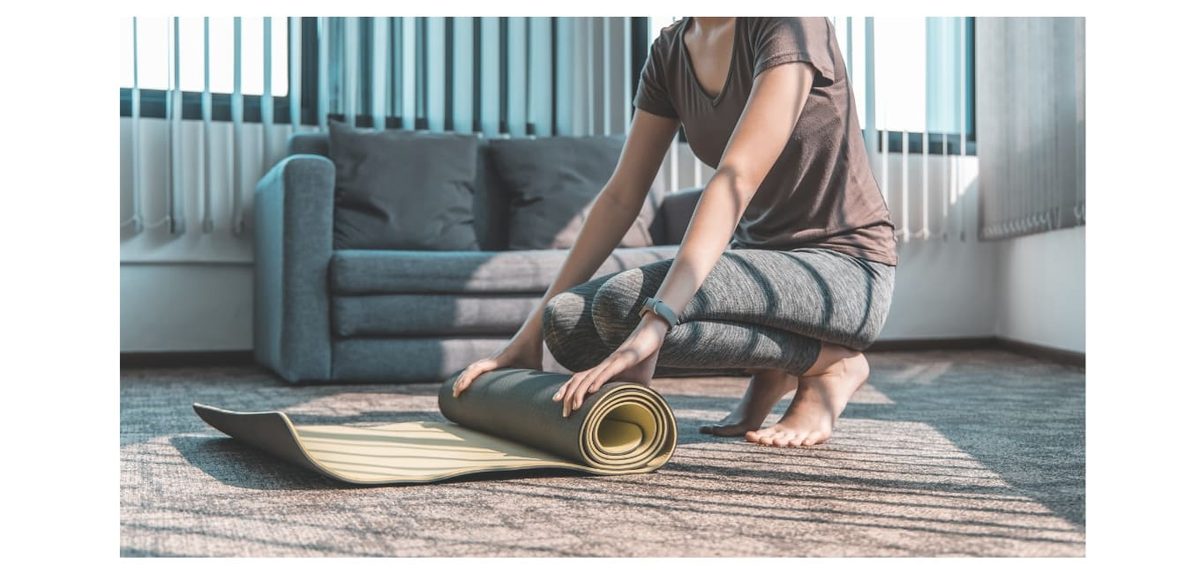
Sweat, skin oil and dust form a film that kills grip within a few sessions. After practice, wipe the mat down with a damp cloth — water only for polyurethane tops, water with a drop of mild soap for rubber and PVC. Wipe the full surface, not just the sweaty patches, and let it air-dry unrolled before you roll it up.
A dedicated mat spray is convenient but not required. If you buy one, check that it is safe for your mat's material — many sprays contain oils that damage rubber and polyurethane.
2. The weekly deep clean
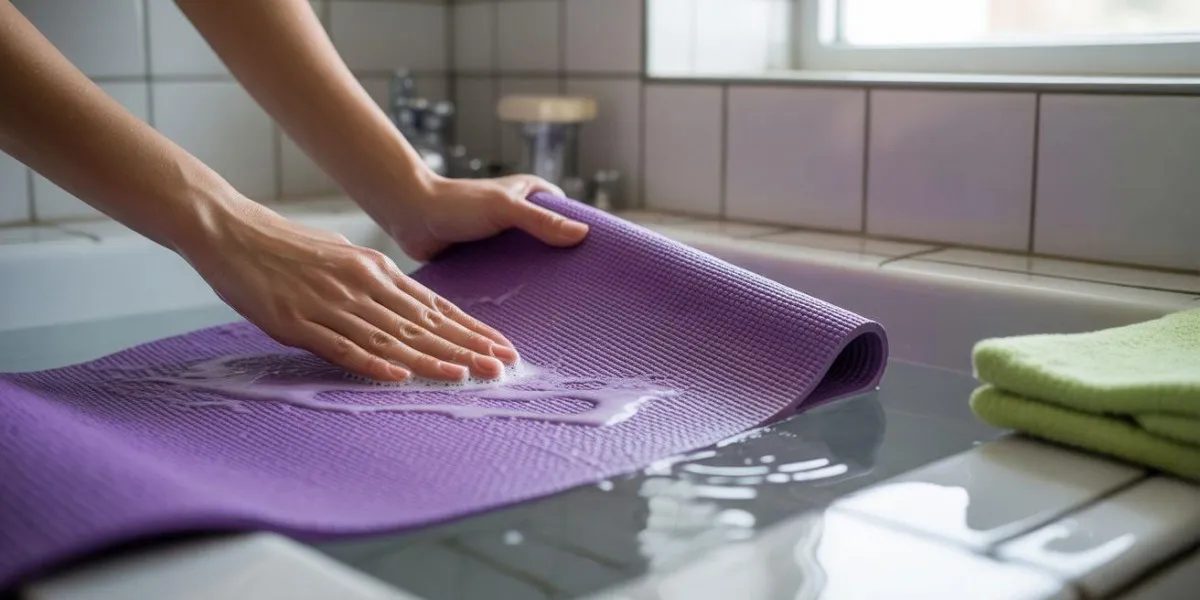
Once a week (or after any especially sweaty session), give the mat a proper wash. For rubber and PVC: lukewarm water, a small amount of mild soap, a soft cloth or sponge, and a thorough rinse. For cork and polyurethane: a damp cloth with water only, wiped firmly — never soaked, never scrubbed with soap.
Rinse matters more than soap. Residue left on the surface dries into a slick film that makes the mat more slippery than before you cleaned it. Rinse until the water runs clear, then roll the mat in a dry towel and press to remove water.
3. Natural rubber mats: gentle and dry
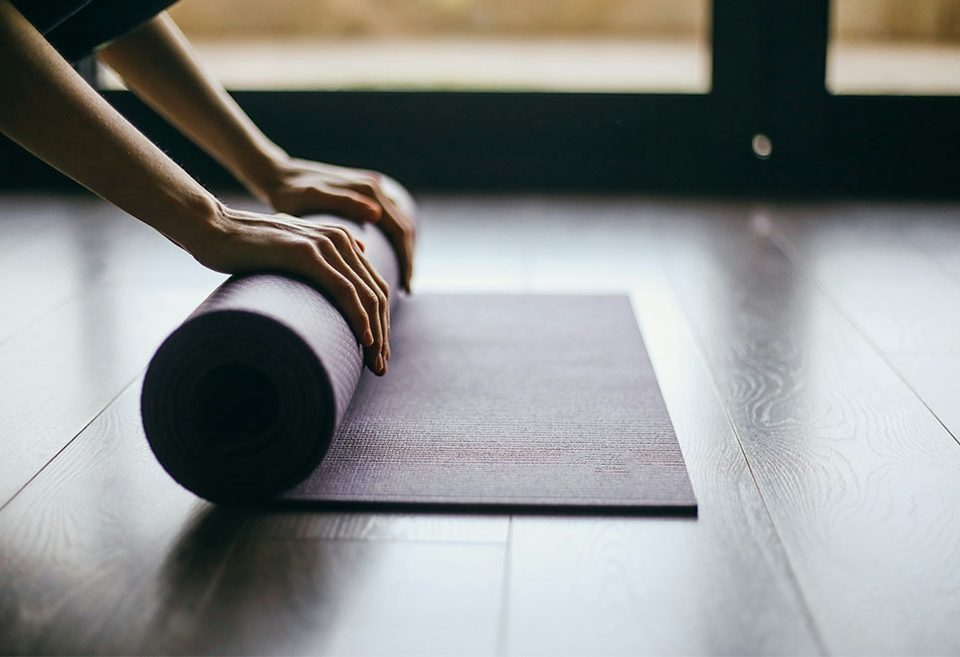
Natural rubber (Jade Harmony, Manduka eKO, B Mat) is open-cell: it absorbs a little moisture, which is why it grips so well — and why it needs care. Never use oils, vinegar or alcohol-based cleaners; they break down rubber. Never soak a rubber mat. Clean with a damp cloth and mild soap, rinse lightly, and dry flat away from direct sun.
Sunlight is rubber's enemy. UV degrades the surface, fades the color and shortens the mat's life by years. Dry your rubber mat in shade, store it out of sun, and never leave it in a hot car.
4. PVC mats: the most forgiving material
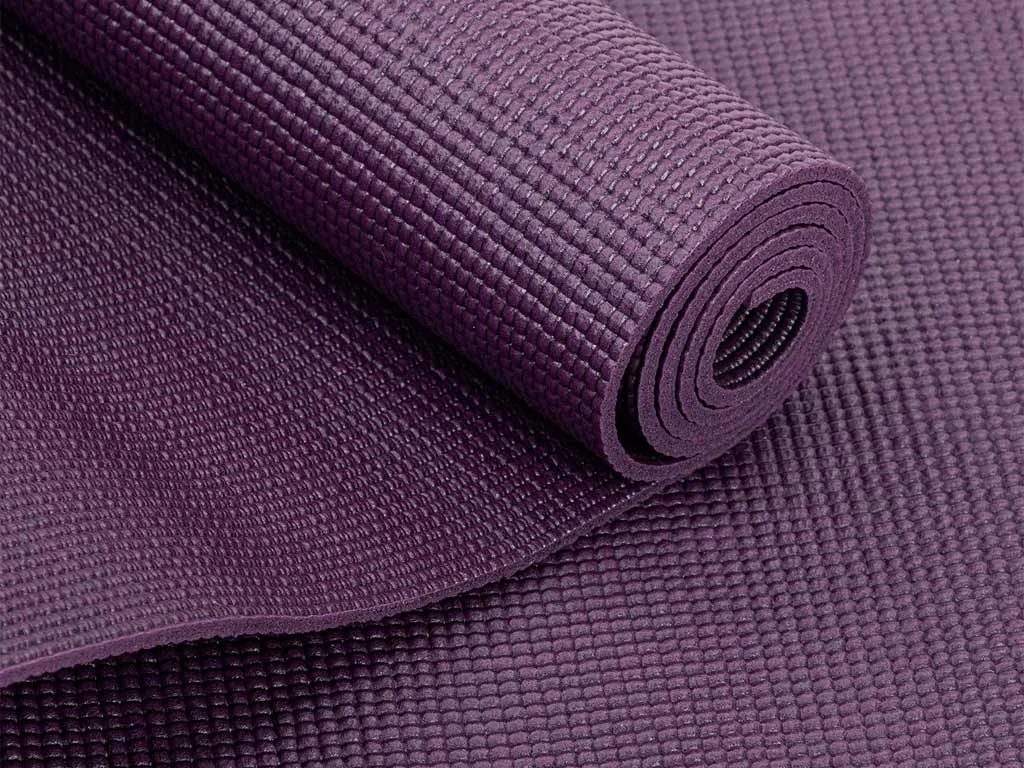
PVC mats (Manduka PRO, Gaiam Premium) are closed-cell and the most forgiving to clean: soap and water, a gentle scrub, rinse and air-dry. The sealed surface does not absorb sweat, which is why it can feel slippery when new — the break-in period is real, and regular cleaning speeds it up by removing the factory finish.
Avoid abrasive pads and solvents like acetone, which scar the sealed surface. A magic eraser is too aggressive for a mat top. A soft cloth and patience do the job better.
5. Cork and polyurethane: water only, no exceptions
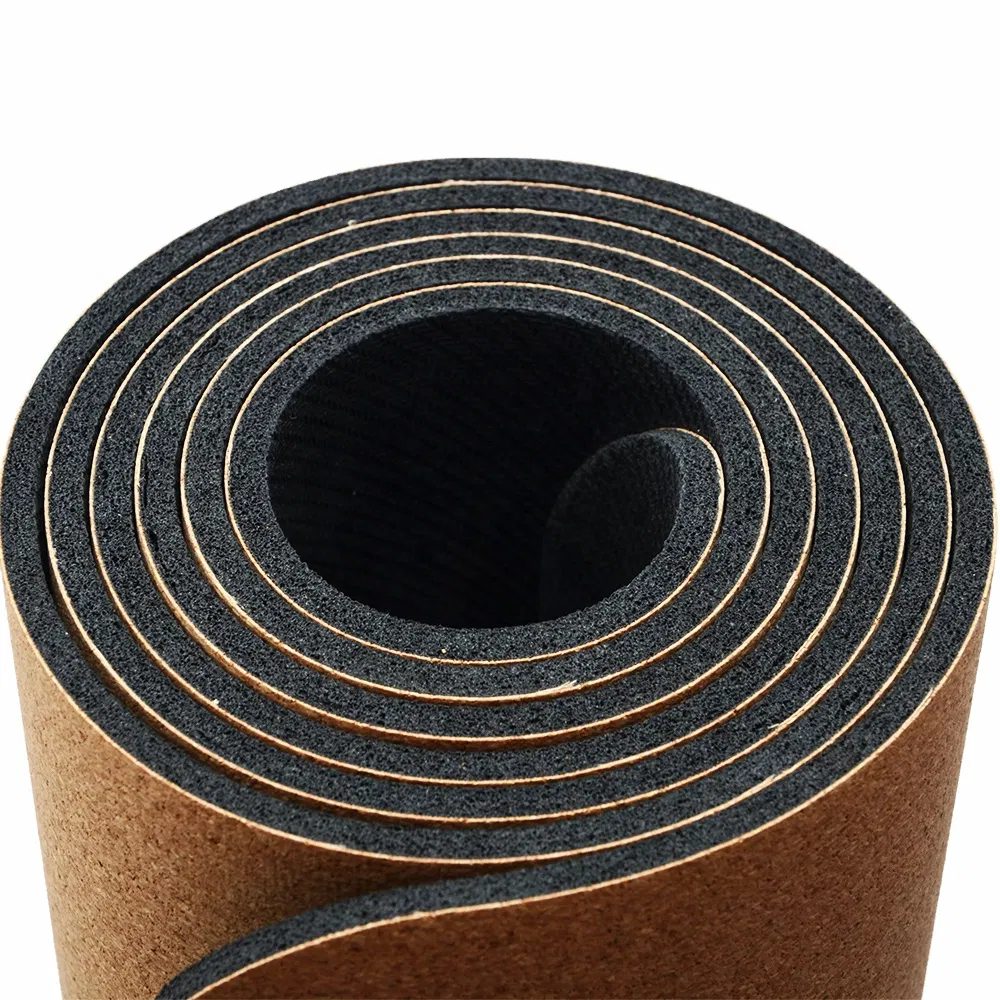
Cork tops (Yoloha) and polyurethane tops (Liforme, Alo Warrior, IUGA) are the most sensitive surfaces in this guide. Both grip better when damp and both are damaged by soap, oil, vinegar and alcohol. Clean with a damp cloth and water only, wiped firmly, and let the mat dry fully before rolling.
If a polyurethane mat starts to smell, the answer is air and time, not a stronger cleaner. Hang it unrolled in a ventilated room for a day. The smell fades; a harsh cleaner would have damaged the surface permanently.
6. Drying and storage: the part everyone skips
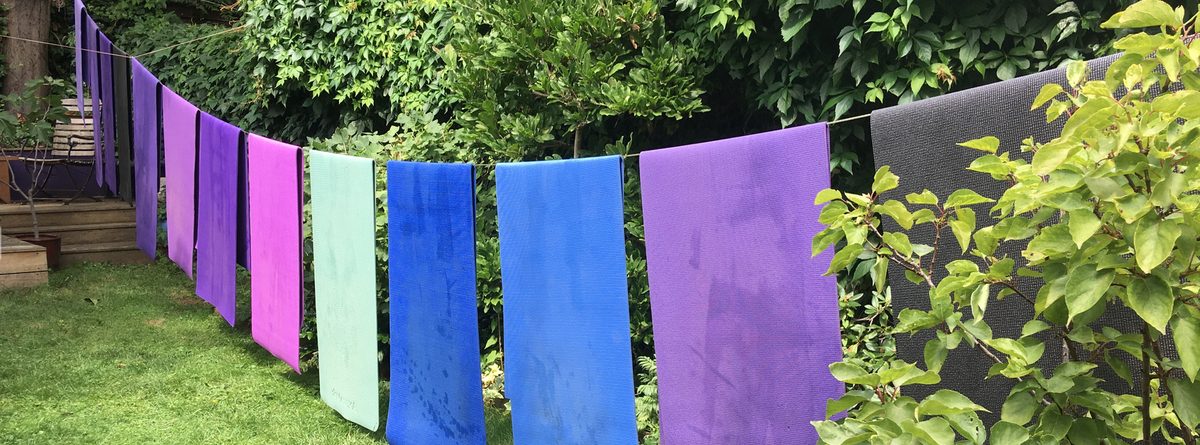
Never roll a damp mat. Trapped moisture breeds odor and, on rubber mats, mildew. After cleaning, drape the mat over a chair or a drying rack until it is fully dry on both sides — usually a few hours — then roll it loosely with the top side out.
Store the mat rolled, not folded: folds crease the surface permanently. Keep it out of direct sun and away from heat sources. A mat bag is for carrying, not for long-term storage — a mat stored in a closed bag stays damp longer.
7. What never to use on any mat
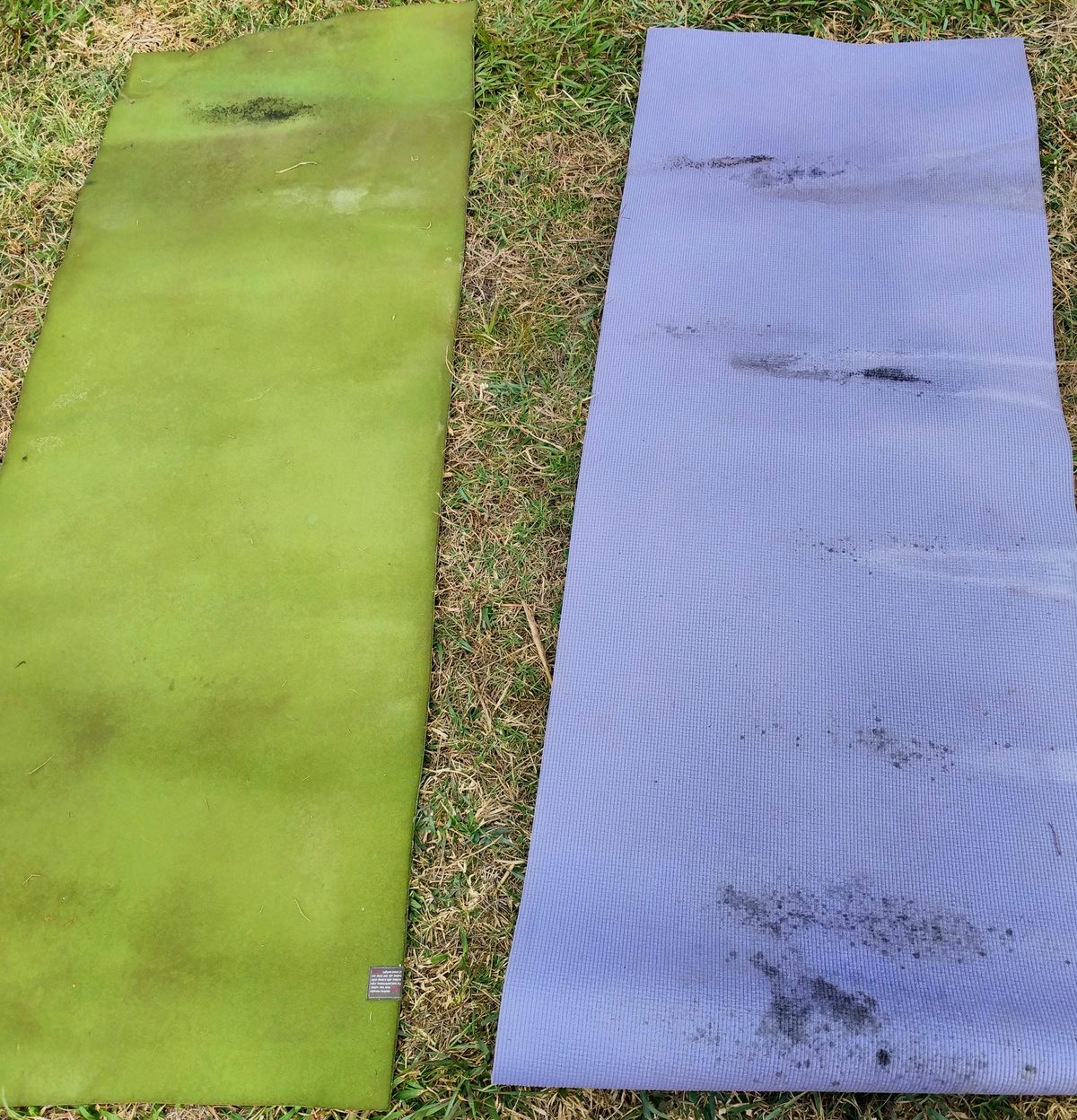
Never use bleach, acetone, alcohol-based wipes, vinegar solutions or oil-based cleaners on a yoga mat. Never put a mat in a washing machine or dryer — the agitation tears the surface and the heat warps the material. Never use a steam cleaner. If a cleaner is not labeled safe for yoga mats, do not use it.
The same goes for essential oils applied directly: they smell good and damage rubber and polyurethane. If you want scent, use a mat spray formulated for your mat's material, or not at all.
8. When to replace your mat
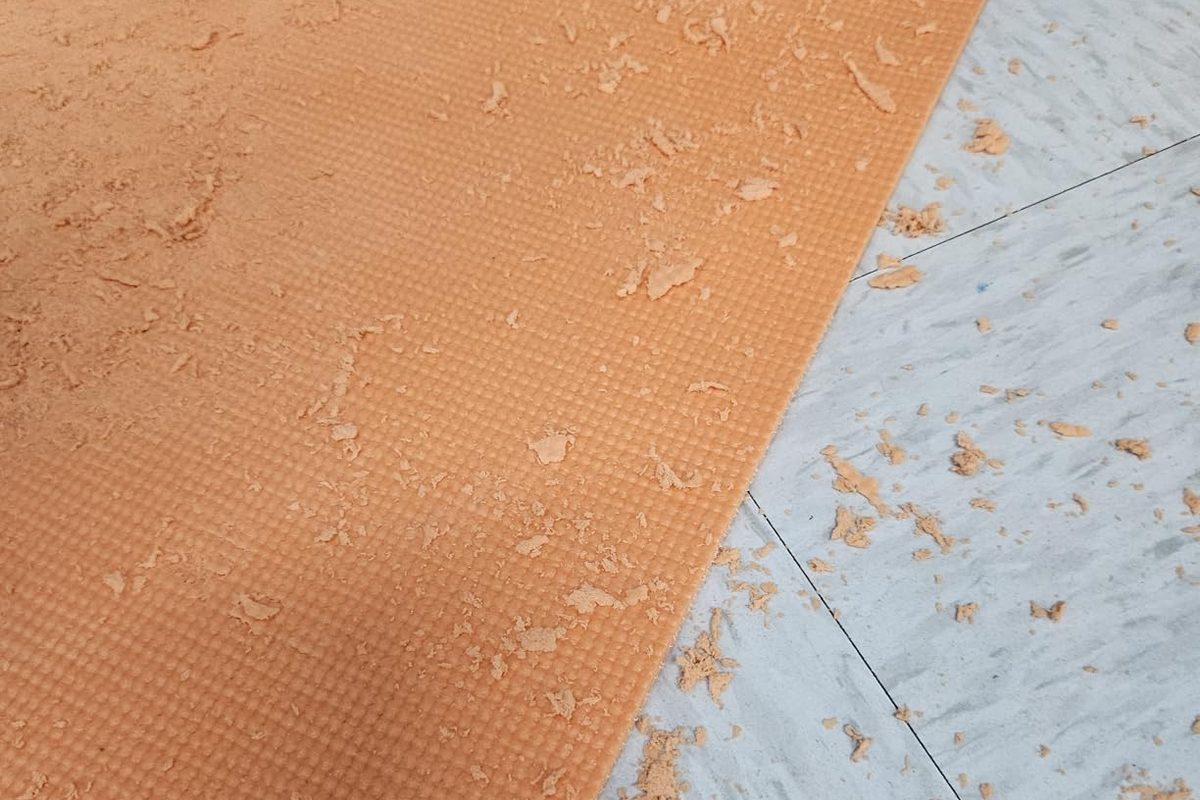
Replace a mat when the surface has worn smooth and cleaning no longer restores grip, when the cushion has compressed flat in the spots where your knees and hands land, or when the edges curl permanently and will not lie flat. Cracks, flaking and a smell that survives cleaning are also end-of-life signs.
A premium mat should last five to ten years with the care in this guide. A budget mat lasts one to three. Either way, the replacement decision is about grip and cushion, not appearance — a faded mat that still grips is a good mat.
Our verdict
Two minutes after every session, ten minutes once a week, and the right cleaner for your material. That is the whole routine — and it is the difference between a mat that lasts two years and a mat that lasts ten. The single most common mistake is using the wrong cleaner on a sensitive surface, so when in doubt, use water and a cloth and nothing else.
Gear mentioned in this guide
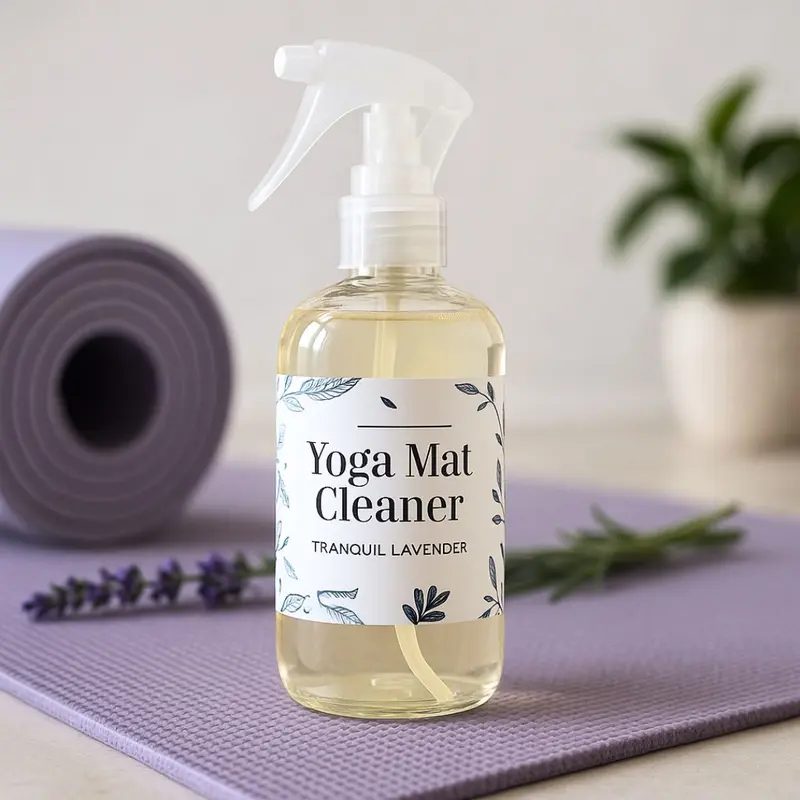
Natural Yoga Mat Cleaner Spray
A plant-based spray that cleans without the solvents that break down rubber.
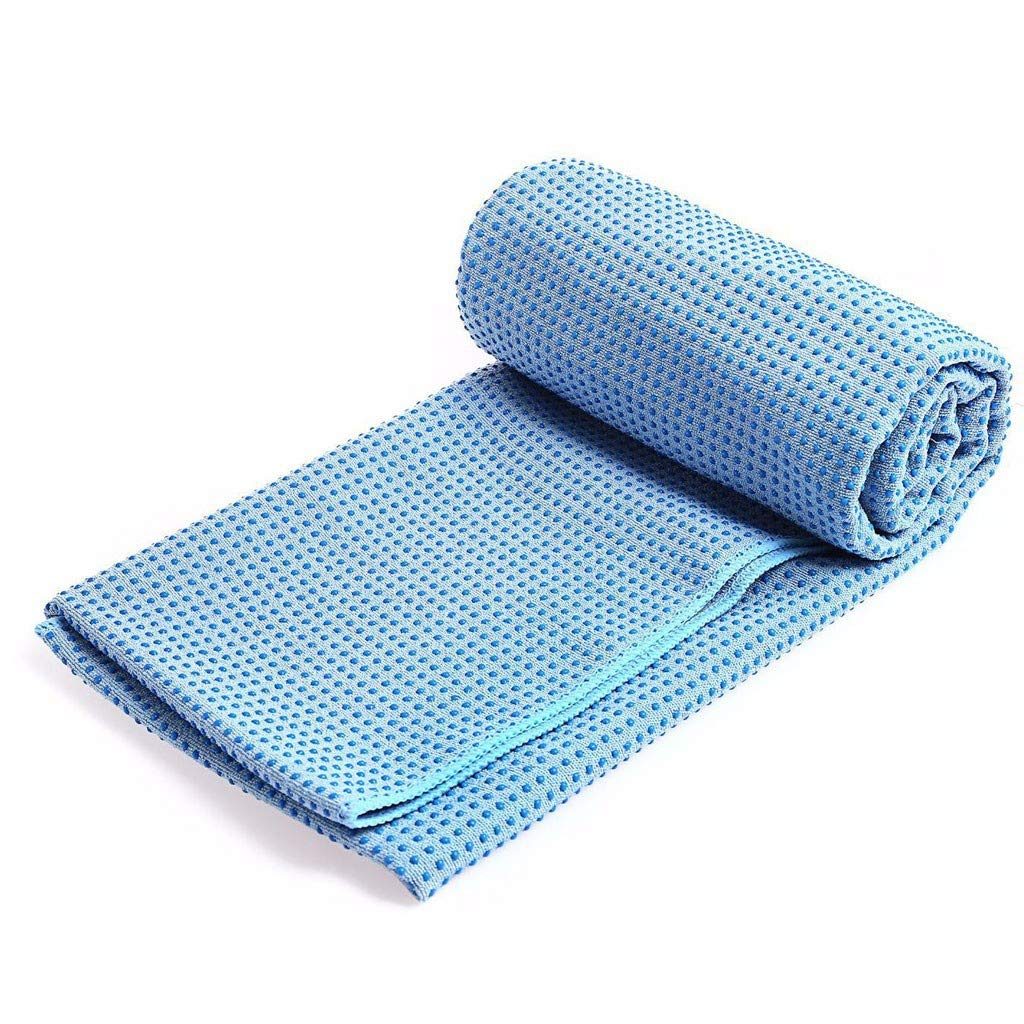
Non-Slip Yoga Mat Towel
A full-length dotted towel that grips harder as it gets damp.
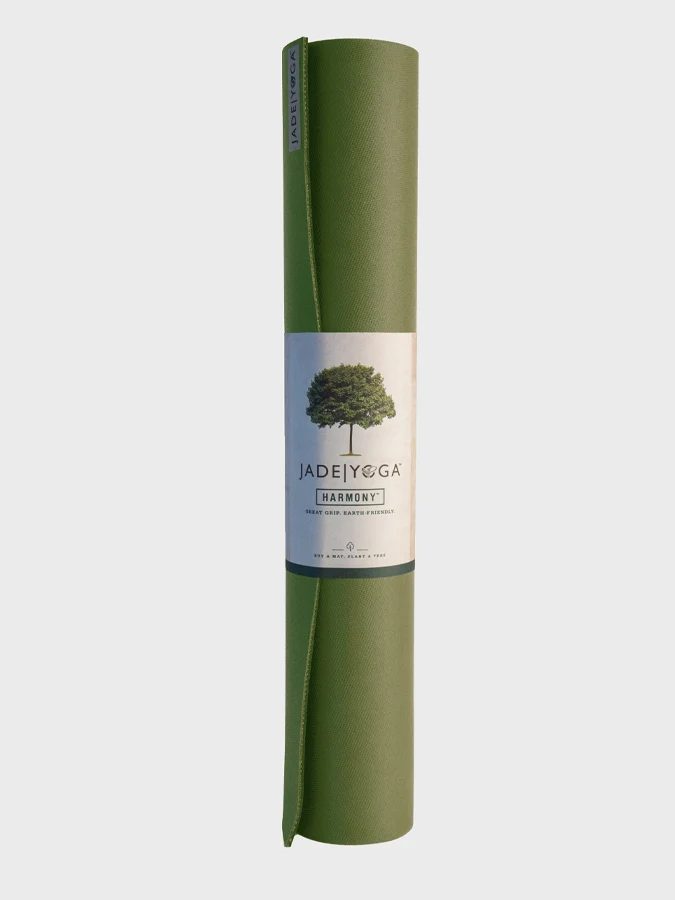
JadeYoga Harmony Mat
4.7 mm · 68" × 24" · Natural rubber
$95–$120 Typical price — check the live listing.
Frequently asked questions
How often should I clean my yoga mat?
Wipe it down after every session and deep-clean it once a week. If you practice hot yoga or sweat heavily, deep-clean more often. A mat that smells or feels slippery is overdue.
Can I use vinegar to clean a yoga mat?
No — vinegar damages natural rubber and polyurethane surfaces and can leave a residue that affects grip. Use water and a drop of mild soap for rubber and PVC, and water only for cork and polyurethane.
Can I put my yoga mat in the washing machine?
No. Machine agitation tears mat surfaces and the heat warps the material. Hand-wash with a cloth or sponge, rinse, and air-dry flat. No dryer, ever.
Why is my new yoga mat slippery?
New mats carry a factory finish that wears off with use and cleaning. Sealed PVC mats (Manduka PRO) typically need a few weeks of regular practice and cleaning to reach full grip. Wiping with a damp cloth after each session speeds the break-in.
How do I get the smell out of my yoga mat?
Clean it properly for its material, then air it unrolled in a ventilated room for a day. Persistent smell after cleaning usually means moisture trapped in an open-cell surface — make sure the mat dries fully before rolling. Never mask smell with oils or strong cleaners.
Can I leave my yoga mat in the sun to dry?
Brief air-drying in indirect light is fine, but direct sun degrades natural rubber and fades every material. Dry mats in shade with airflow. Never leave a mat in a hot car.
What is the best cleaner for a yoga mat?
Water and a soft cloth, plus a drop of mild soap for rubber and PVC. Commercial mat sprays are convenient if they are formulated for your mat's material — check the label, because many contain oils that damage rubber and polyurethane.
Related guides
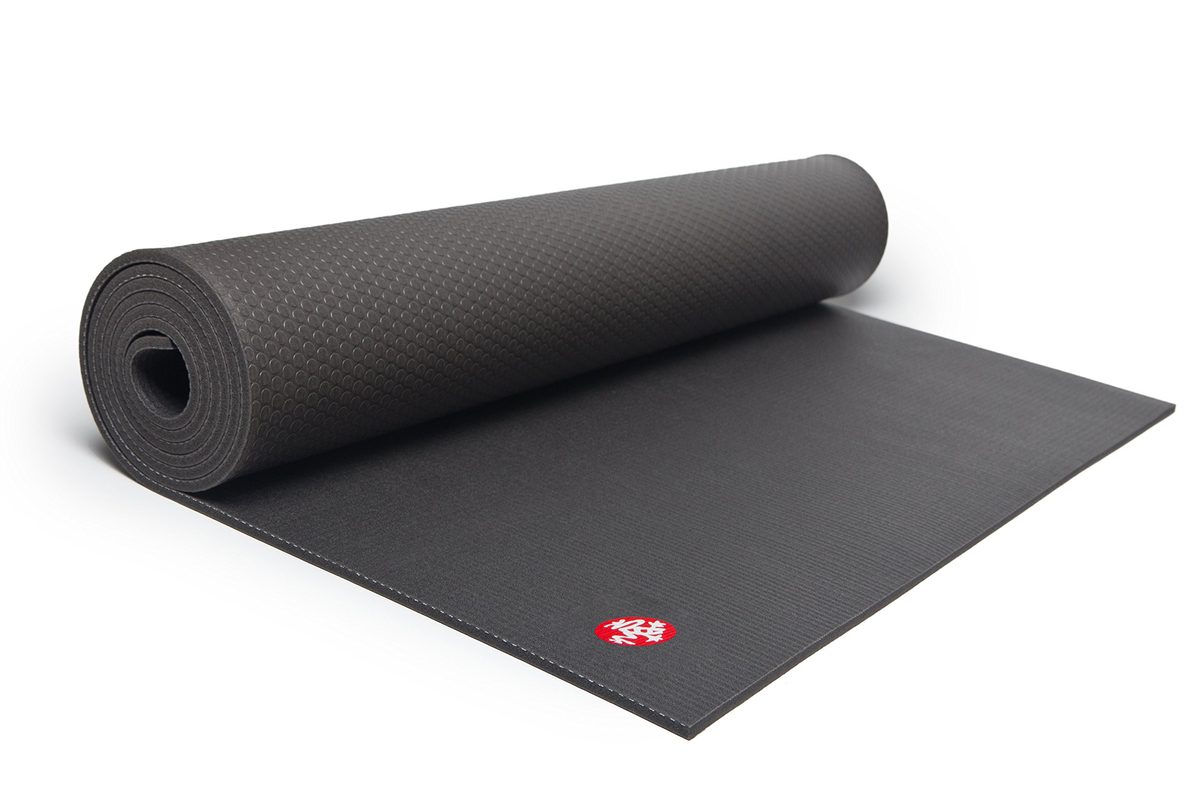
Best Yoga Mats for Home Workouts
A yoga mat is the floor you bring with you. The right one grips when you sweat, cushions your knees without wobbling your balance, and still looks decent in thr…
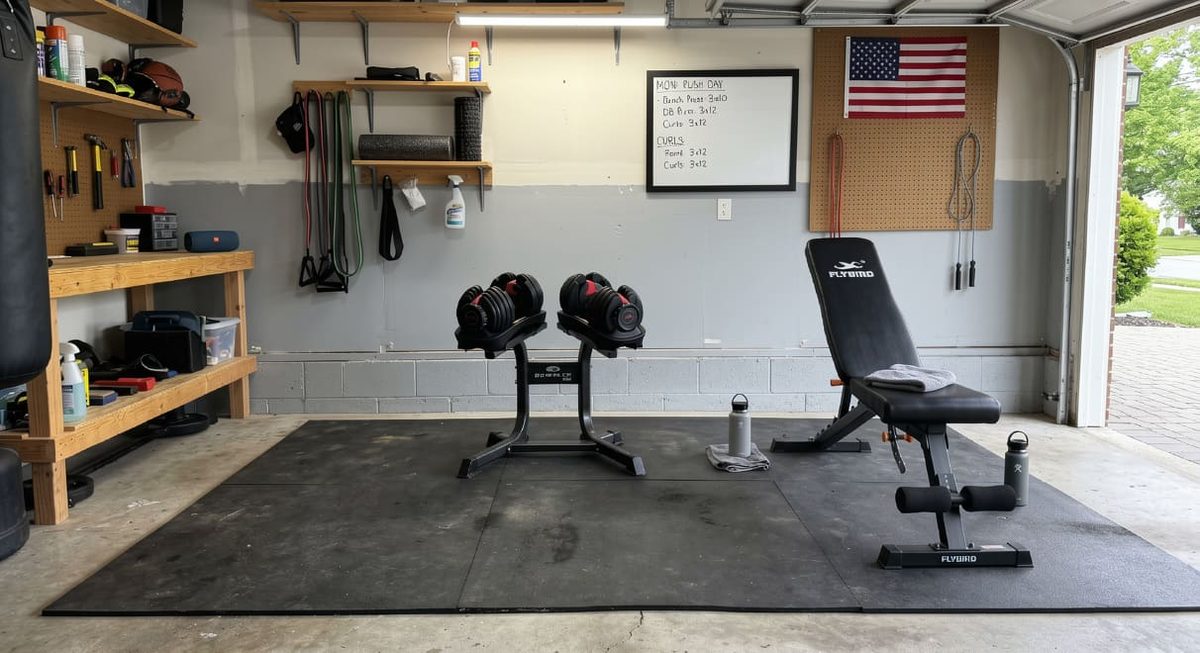
How to Start a Home Gym on a Budget
You do not need a $5,000 rack to train at home. You need a floor that survives dropped weight, one good pair of dumbbells, and a bench — in that order. Here is …
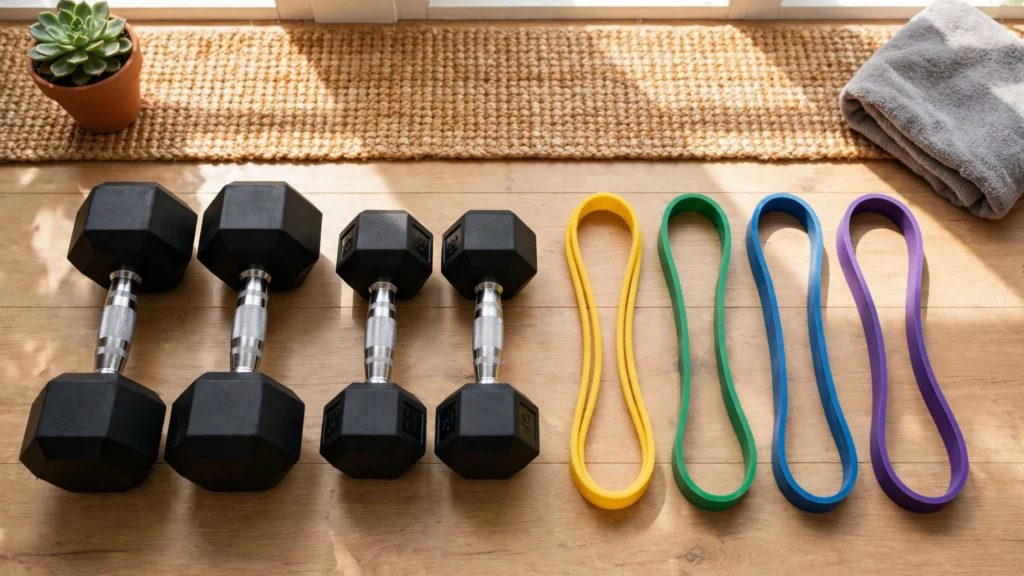
Resistance Bands vs Dumbbells: Which Builds More Strength?
Bands are cheap, light and travel anywhere. Dumbbells are heavy, precise and last forever. The real question is not which is better — it is which kind of resist…
As an Amazon Associate, we earn from qualifying purchases. Prices and availability change — always check the live listing before you buy.