Dumbbells
How to Start a Home Gym on a Budget
You do not need a $5,000 rack to train at home. You need a floor that survives dropped weight, one good pair of dumbbells, and a bench — in that order. Here is how to build a home gym that actually gets used, for under $500.
Direct answer
Build a home gym in this order: floor protection first, then one good pair of adjustable dumbbells, then a bench. That core kit fits a budget of about $500, covers nearly every basic exercise, and leaves room to add equipment later once you know what your training actually needs.
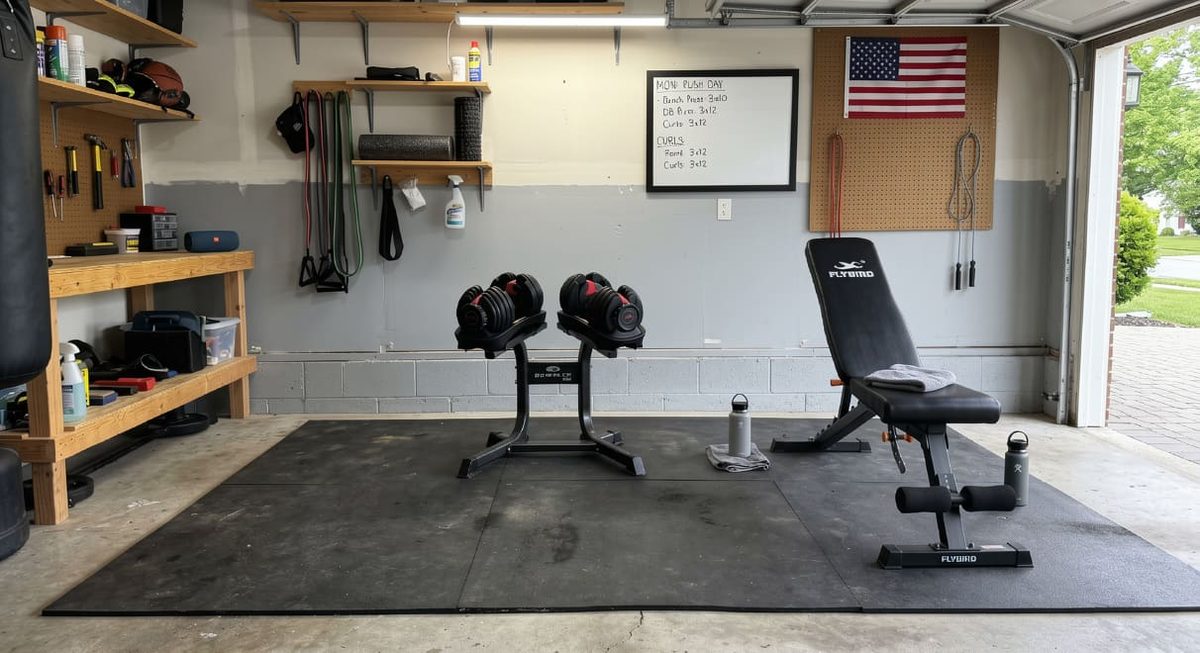
The most common home-gym mistake is buying the exciting thing first. A shiny rack with no floor protection, a barbell with no plates to grow into, a treadmill that becomes a clothes rail. The gyms that get used are the ones built in the right order: floor, weights, bench, then everything else.
This guide is written from three garage gyms built over nine years — the first on a $300 budget, the third with everything learned from the first two. The prices below are typical bands, not promises; used gear changes the math completely, and we cover that too.
Quick comparison
| Priority | Item | Typical cost |
|---|---|---|
| 1 | Rubber floor tiles (6-pack) | $30–$60 |
| 2 | Adjustable dumbbells, 5–25 lb pair | $90–$140 |
| 3 | Folding adjustable bench | $100–$180 |
| 4 | Resistance bands set | $20–$40 |
| 5 | Kettlebell, one | $30–$60 |
| — | Starter total | $270–$480 |
1. Start with the floor, not the equipment
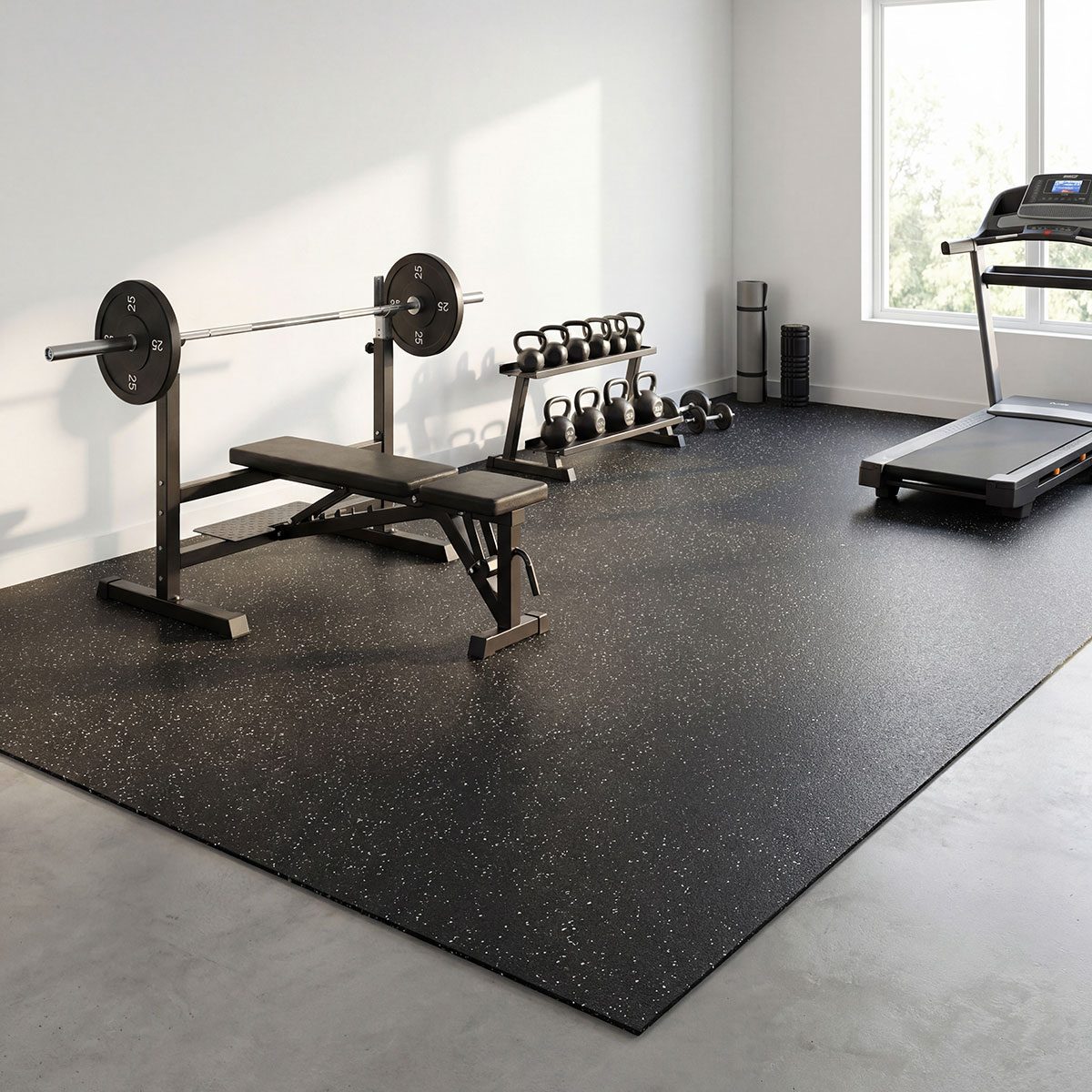
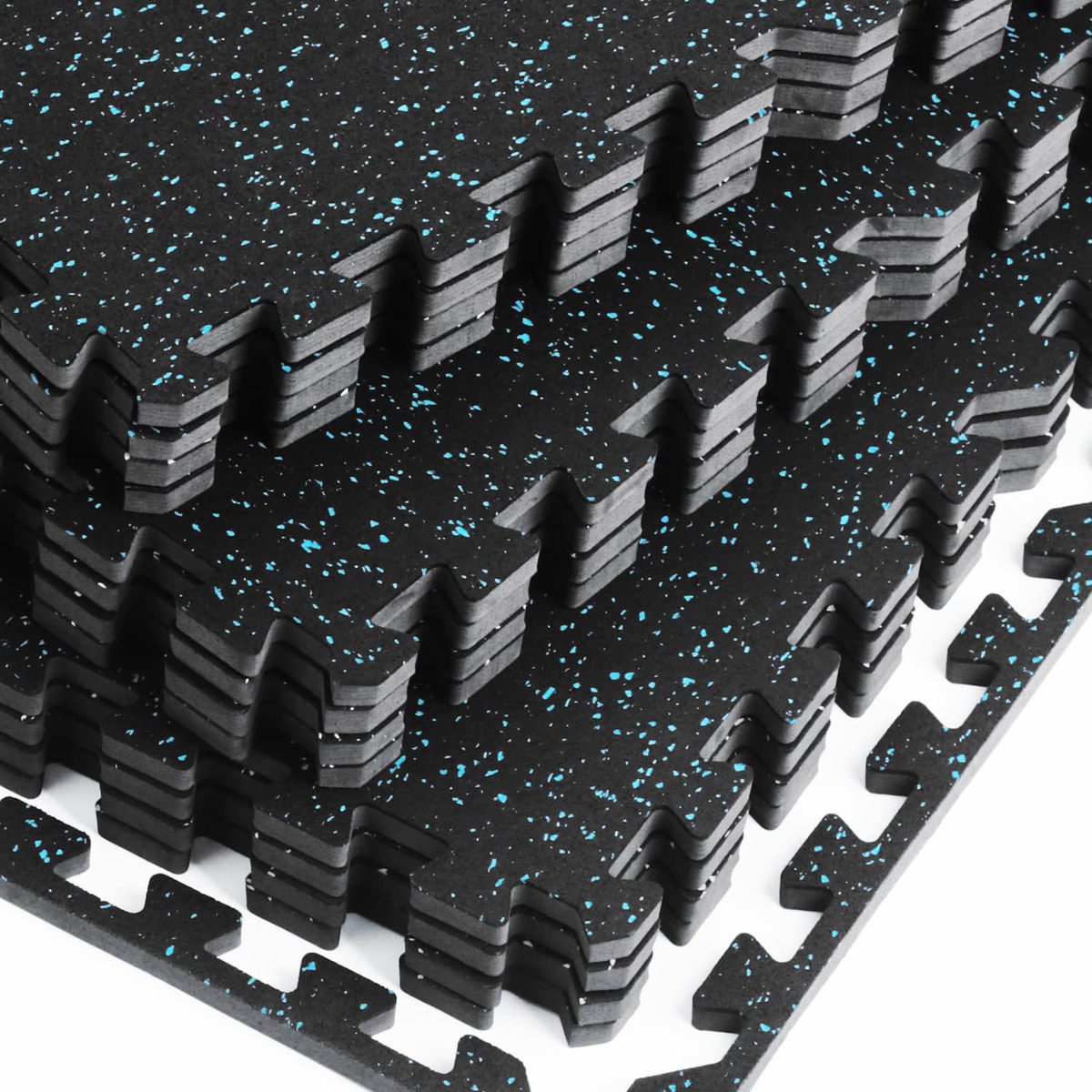
Concrete and wood floors do not forgive dropped weight. A single 25 lb dumbbell slipped from knee height will chip concrete, dent wood and crack tile — and the repair costs more than the flooring would have. Interlocking rubber tiles are the cheapest insurance in the whole gym: a six-pack covers the area you actually train in, deadens sound for neighbors, and gives dumbbells a surface that grips instead of skids.
Buy the tiles before the weights. They also define the space — once the black square is down, the corner is a gym, not a storage area with dumbbells in it. That psychological line matters more than it sounds.
2. One pair of adjustable dumbbells beats a rack of fixed pairs
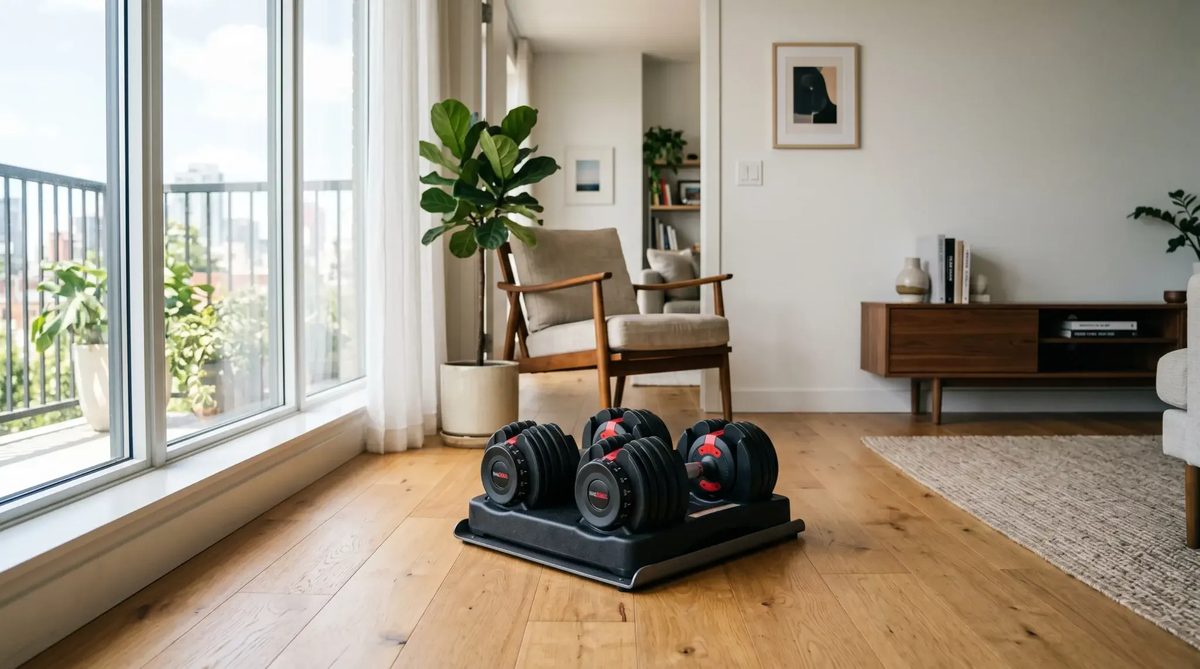
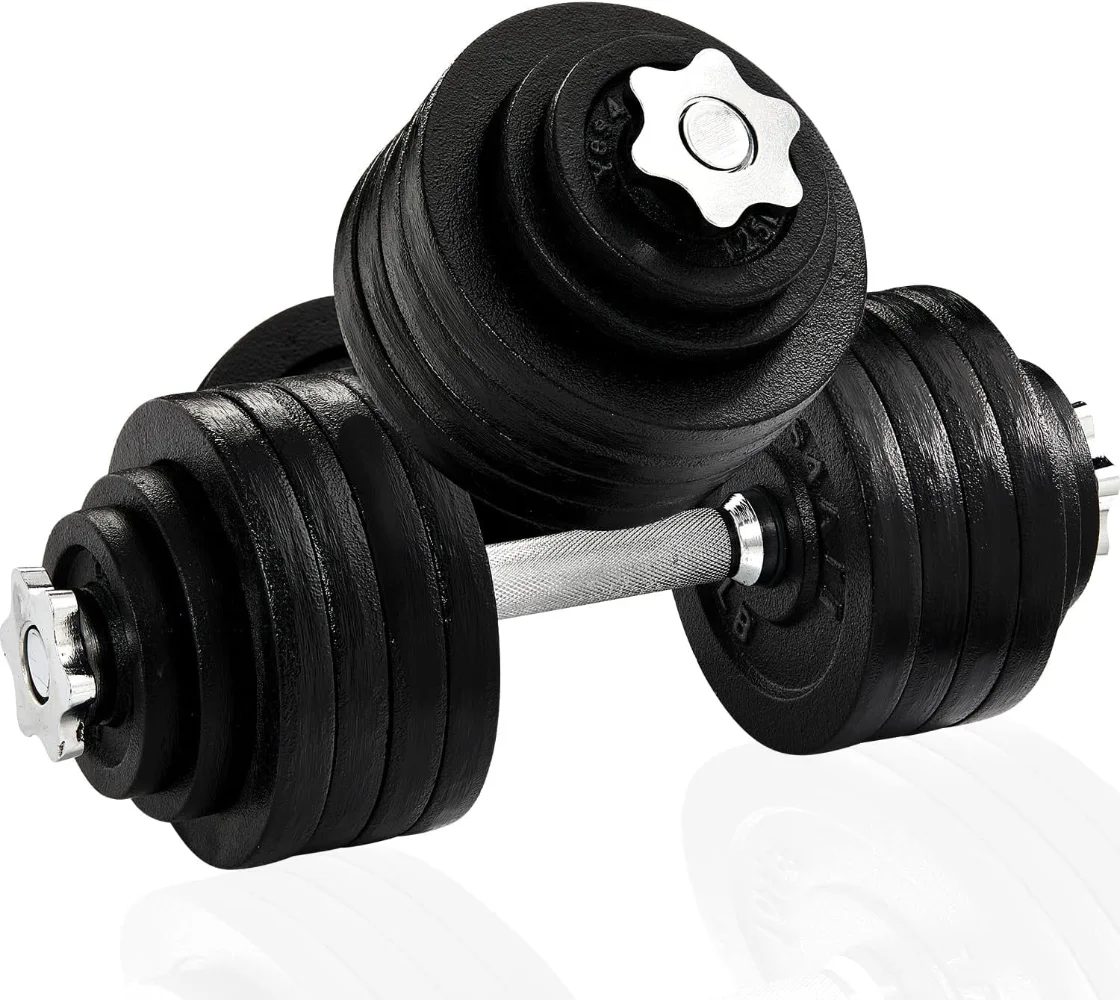
A 5–25 lb adjustable pair replaces five pairs of fixed dumbbells, costs less than two of them, and fits in a space the size of a shoebox. For a first home gym, that is the entire strength-training program in one purchase. Our full comparison of 15 adjustable sets is in the dumbbell guide linked below, but the budget pick is simple: the FLYBIRD 25 lb pair or the Yes4All plate-loaded set, depending on whether you value fast changes or maximum weight per dollar.
Do not buy fixed dumbbells one pair at a time. You will own three pairs, outgrow two, and still need the next size up. Adjustables front-load the cost and end the cycle.
3. A bench that folds is worth more than a bench that does not
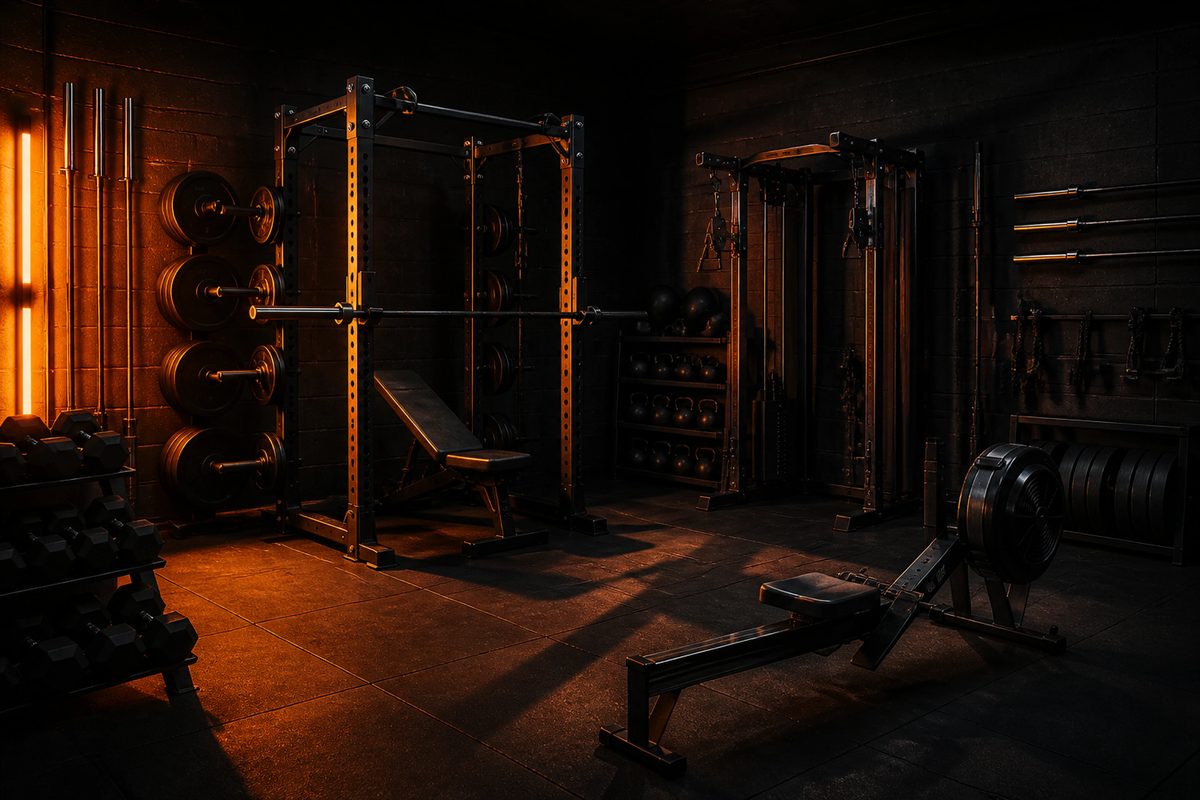
A flat bench turns dumbbells into a chest, row and press program. An adjustable bench adds incline work and seated pressing. A folding adjustable bench does all of that and then leans against the wall when the room needs to be a living room again — which, in a budget home gym, it usually does.
Check the weight rating before you buy: a bench rated for 300 lb total (you plus dumbbells) is the minimum worth owning. Below that, the frame flexes and the pad compresses within months.
4. Buy used first — but know what to check
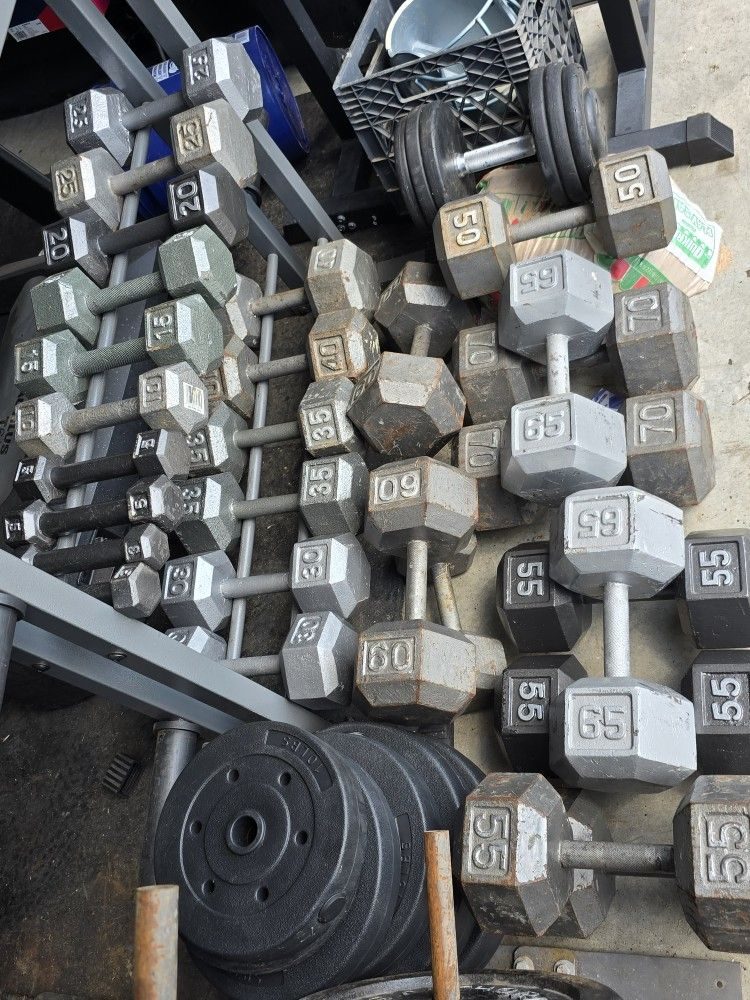
Home gym equipment is the best used market in fitness. People buy dumbbells in January and sell them in June, barely used, for half price. Cast-iron dumbbells, plates and kettlebells are nearly indestructible, so used iron is almost always a safe buy — check for cracks in the coating and loose handles, and you are done.
The exception is anything with a mechanism. Adjustable dumbbells, benches with moving parts and cable machines should be tested in person: change the weight through the full range, check every pin and dial, and walk away from anything that sticks or rattles. A broken mechanism is why it is cheap.
5. The $500 starter kit, item by item
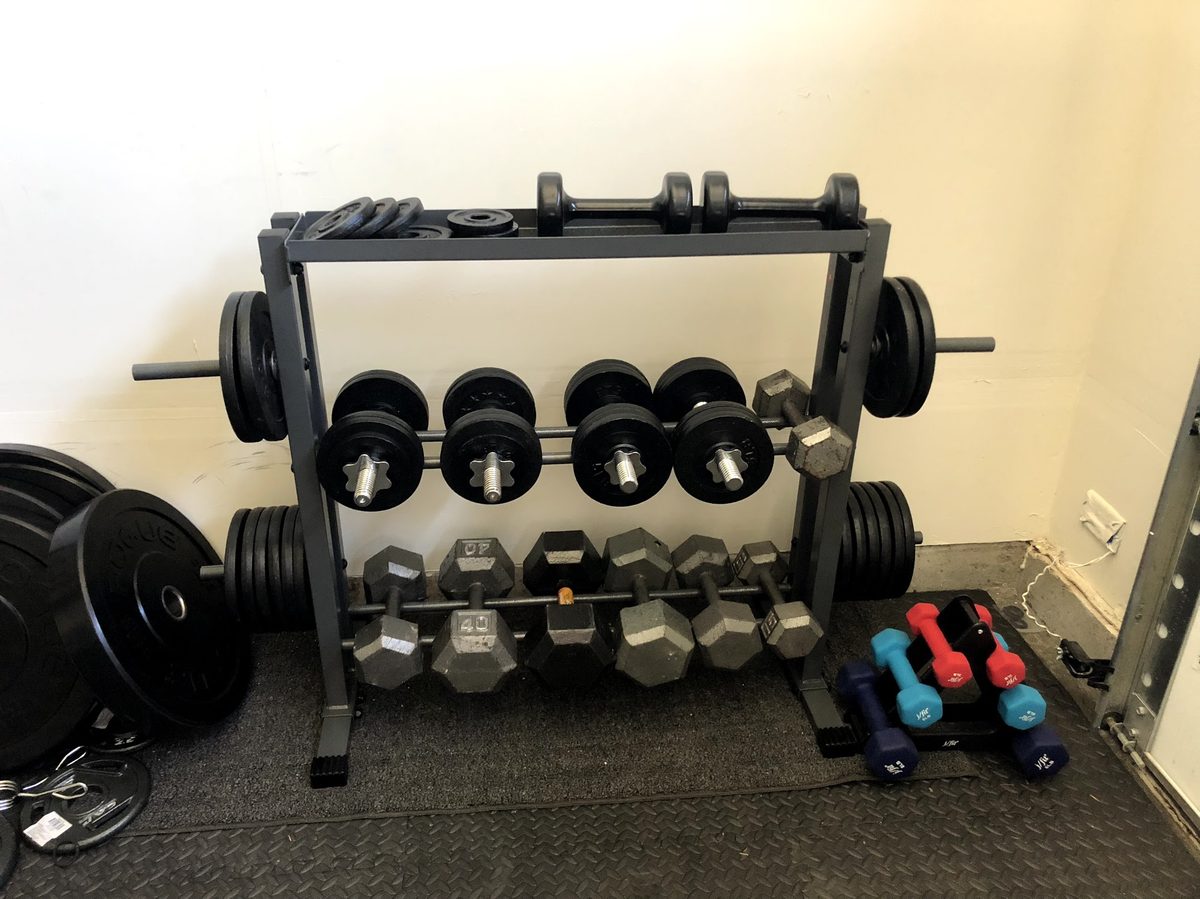
Floor tiles ($30–$60), a 5–25 lb adjustable pair ($90–$140), a folding bench ($100–$180), a resistance band set ($20–$40) and one kettlebell ($30–$60). That is the whole gym: $270–$480 depending on sales and how much you buy used. Everything on the list earns its place daily — there is no decorative equipment in a budget gym.
What this kit does not include is also deliberate: no barbell, no rack, no cardio machine. Those come later, if the habit sticks. The starter kit tests whether you will train at home at all, and it does it for less than a year of gym membership.
6. What to skip until year two
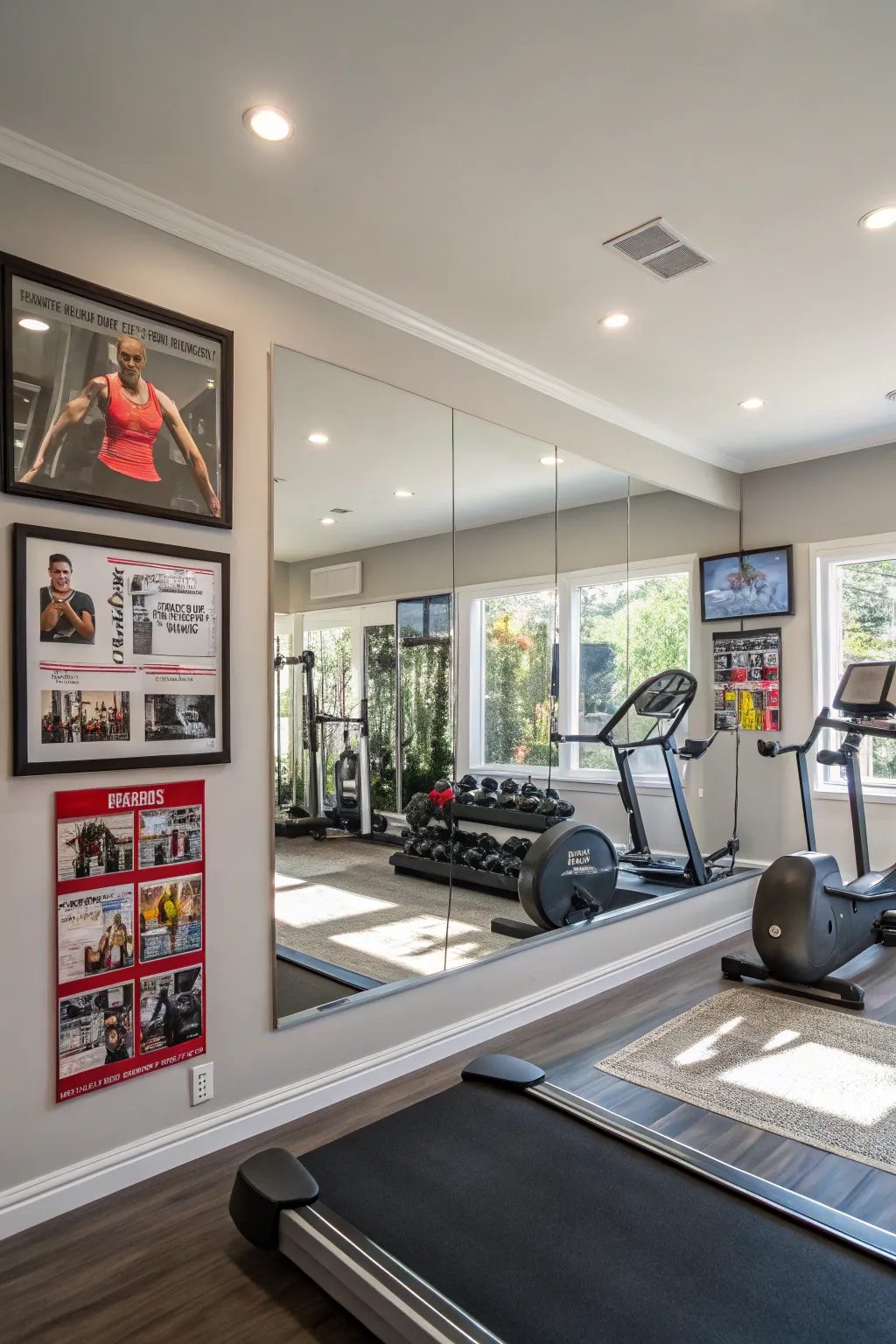
Skip the treadmill, the cable machine and the specialty bars. Cardio machines are the most common home-gym regret: they cost the most, take the most space, and get used the least. A jump rope costs $15 and covers the same warm-up in a fraction of the space.
Skip matching sets and brand loyalty too. Your dumbbells do not need to match your bench. Buy the best value in each category and spend the savings on the next weight jump. The gym that looks mismatched and gets used beats the showroom that does not.
7. Small-space layout: the 6 × 8 foot rule
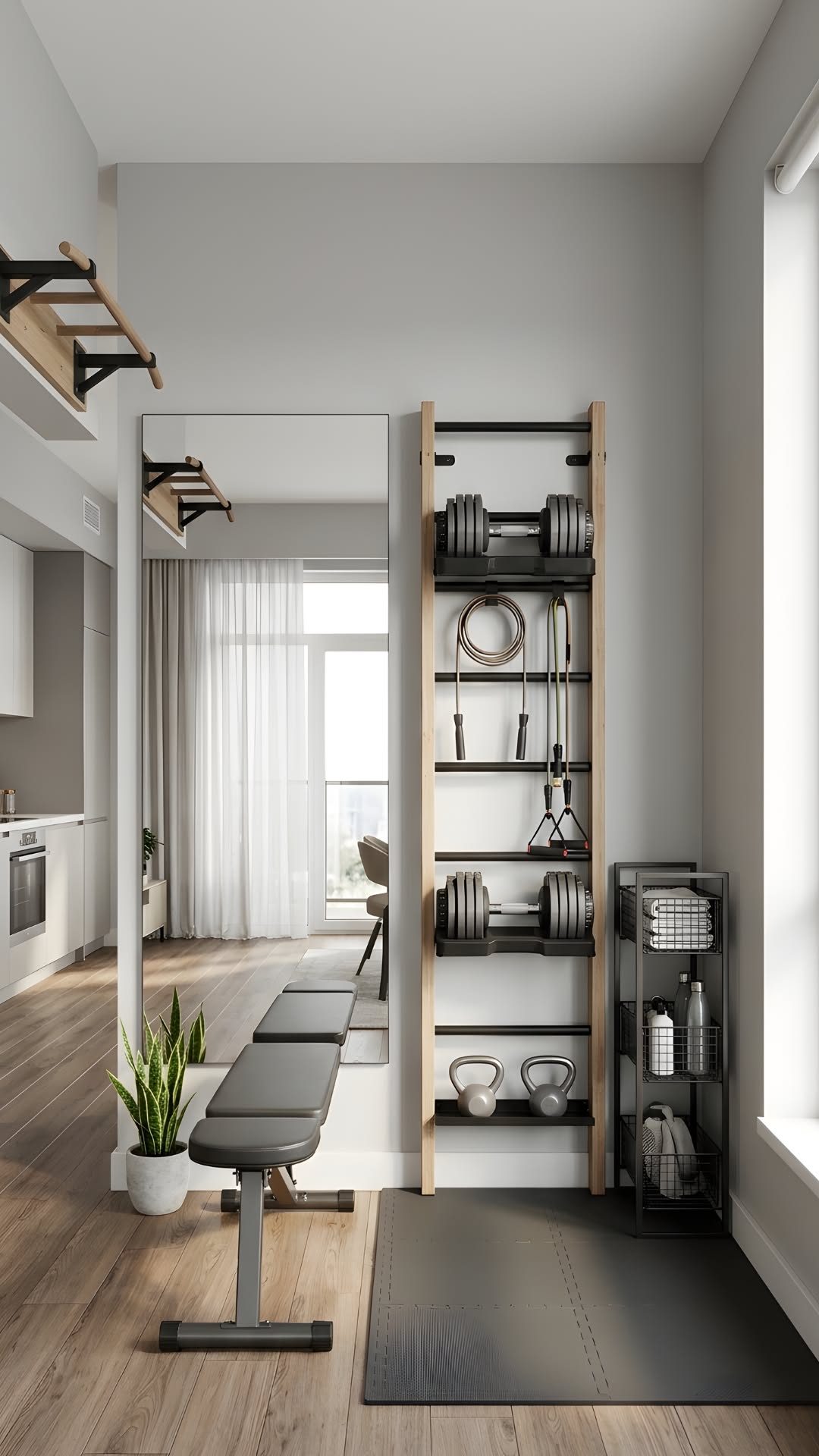
You need about 6 × 8 feet of clear floor to train with dumbbells and a bench — roughly the size of a parking space. Measure it before you buy anything. The bench goes against the wall, the dumbbells live beside it, and the floor tiles mark the training zone.
Vertical storage is the small-gym secret: wall hooks for bands and jump ropes, a tall narrow rack for plates, and a bench that folds flat. Everything off the floor except the tiles and the dumbbell trays.
8. The upgrade path: what to buy next, in order
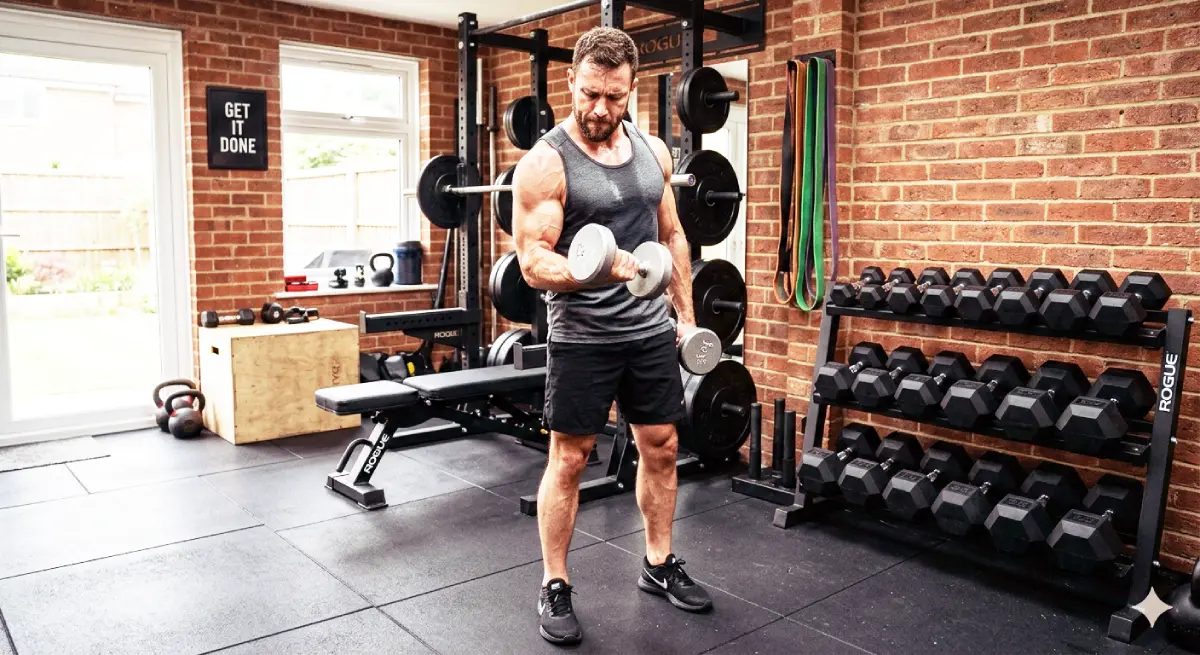
When the starter kit stops being enough, upgrade in this order: heavier adjustable dumbbells (5–50 lb), a pull-up bar, a second kettlebell, then a barbell and plates. Each step adds a training option you do not have yet, instead of duplicating one you do.
The last upgrade is the room itself: a mirror, better lighting, a fan. They feel cosmetic, but the gym you enjoy being in is the gym you use. Spend on the room only after the equipment earns it.
Our verdict
A budget home gym is a sequence, not a shopping list: floor, dumbbells, bench, bands, kettlebell. Buy in that order, buy used where the gear is simple, and skip everything that does not earn floor space daily. The $500 starter kit in this guide is enough to train seriously for a year or more — and the money you save is the money that funds the upgrade when you are ready for it.
Gear mentioned in this guide
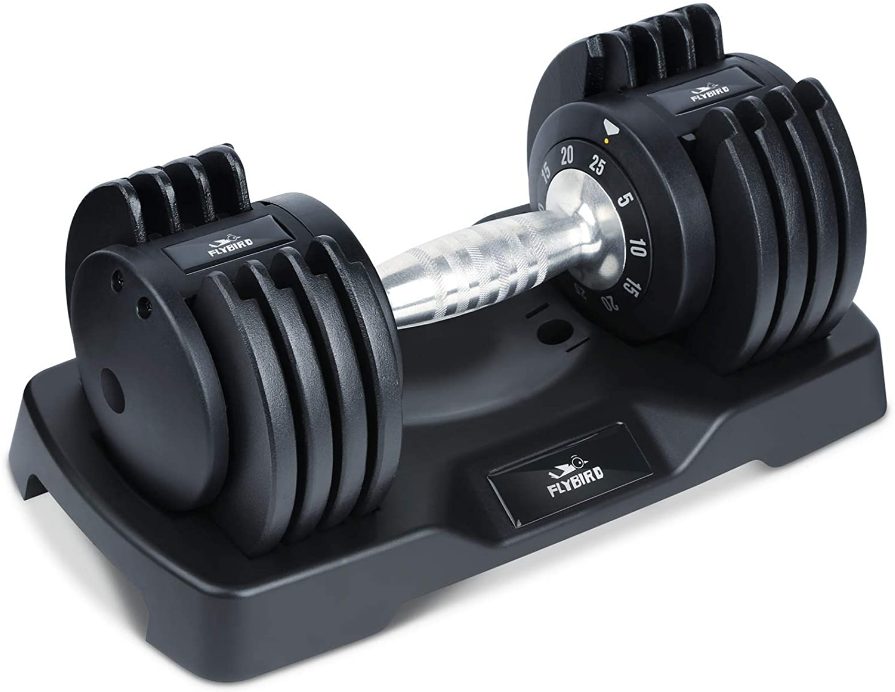
FLYBIRD 25 lb Adjustable Dumbbells
5–25 lb · Twist handle · Pair
$90–$140 Typical price — check the live listing.
Yes4All Adjustable Dumbbell Set 40 lb
Up to 40 lb · Spin-lock · Pair
$50–$80 Typical price — check the live listing.
Interlocking Rubber Gym Floor Tiles
Protects concrete and wood floors from dropped plates and dumbbells.
Frequently asked questions
How much does it cost to start a home gym?
A serious starter gym costs $270–$480: floor tiles, a 5–25 lb adjustable dumbbell pair, a folding bench, resistance bands and one kettlebell. Buying used iron can cut that by a third. You can start with just dumbbells and floor tiles for under $200.
What is the first thing to buy for a home gym?
Floor protection first, then weights. Rubber tiles cost $30–$60 and protect your floor from the first dropped dumbbell. After that, one pair of adjustable dumbbells covers more training than any other single purchase.
Is it cheaper to build a home gym or join a gym?
A $400 home gym pays for itself in roughly 8–10 months against a typical $40–$50 monthly membership — and the equipment still has resale value. The math flips if you stop training, which is why starting small and cheap is the right strategy.
How much space do I need for a home gym?
About 6 × 8 feet of clear floor for dumbbell and bench training. A full setup with a rack and barbell needs roughly 8 × 10 feet. Measure your space before buying anything, and use vertical storage to keep the floor clear.
Should I buy used gym equipment?
Yes for simple iron: dumbbells, plates and kettlebells are nearly indestructible and sell for half price used. Test anything with a mechanism — adjustable dumbbells, benches, cable machines — in person before paying.
What home gym equipment should I avoid?
Avoid cardio machines as a first purchase (highest cost, most space, least use), single-purpose gadgets, and any equipment you have not already used regularly at a gym. If you never used it there, you will not use it at home.
Do I need a bench for a home gym?
Not on day one, but it is the third purchase for a reason: a bench adds chest pressing, rows and seated work that are awkward or impossible on the floor. A folding adjustable bench is the best value for small spaces.
Related guides
Best Adjustable Dumbbells for Home Gyms
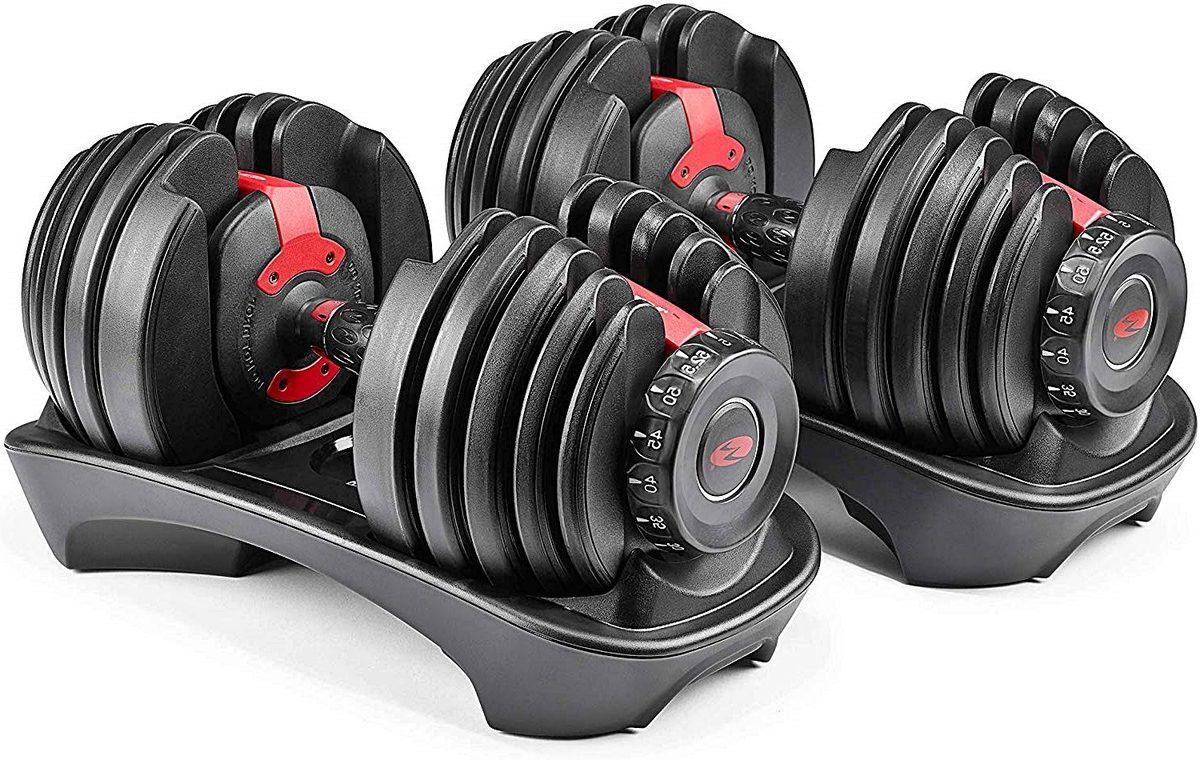
One pair that replaces a whole rack is the single best purchase a home gym can make — if you pick the right mechanism. We compared 15 adjustable sets on weight …
Dumbbell Weight Guide: How Heavy Should You Lift?
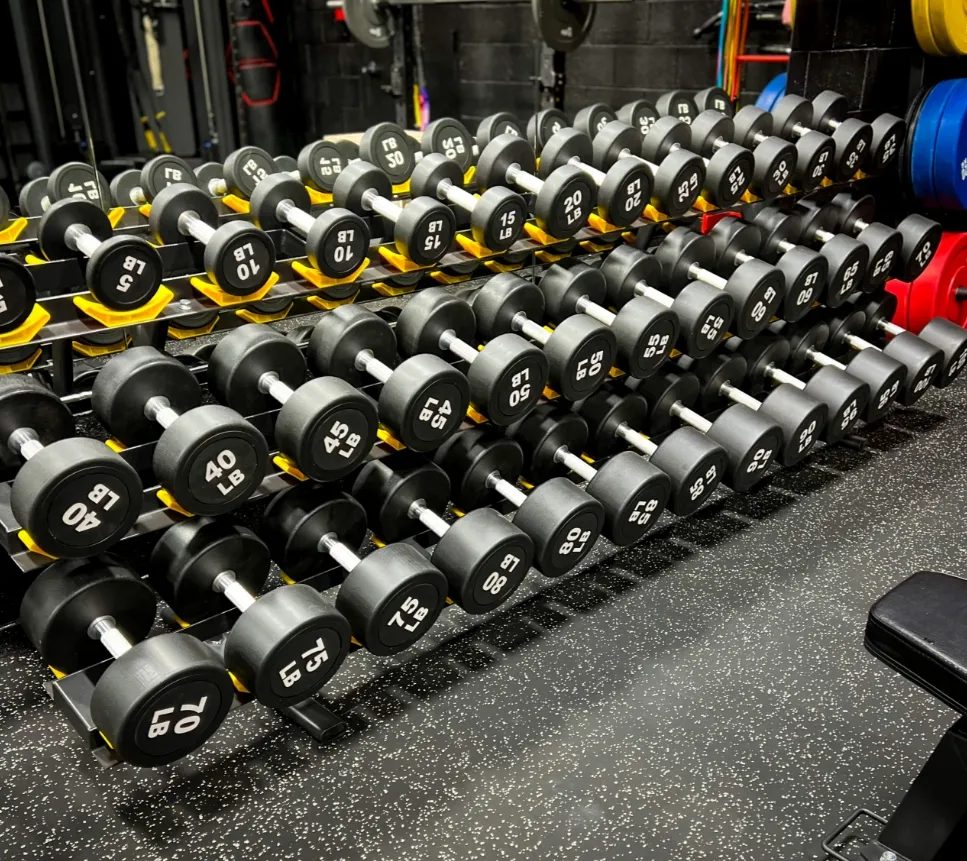
The right dumbbell weight is not a number on a chart — it is the weight that makes the last two reps of a set genuinely hard. Here is how to find yours for ever…
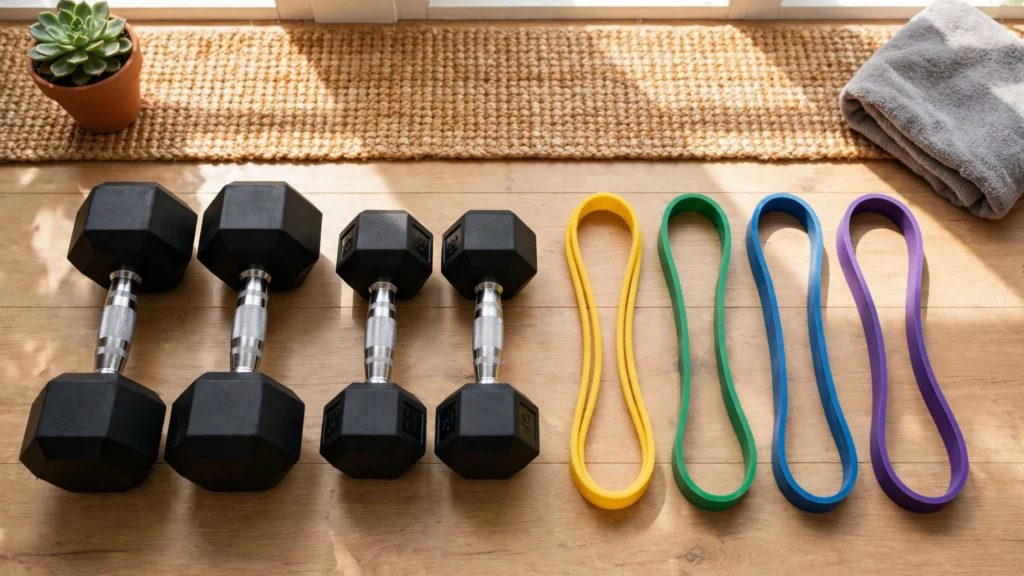
Resistance Bands vs Dumbbells: Which Builds More Strength?
Bands are cheap, light and travel anywhere. Dumbbells are heavy, precise and last forever. The real question is not which is better — it is which kind of resist…
As an Amazon Associate, we earn from qualifying purchases. Prices and availability change — always check the live listing before you buy.